Pollution in the Middle East:
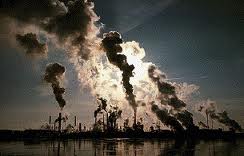
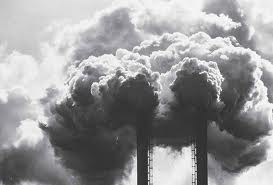
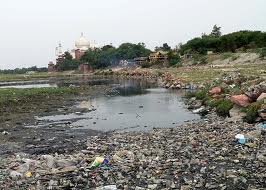
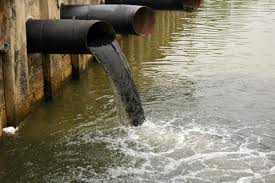
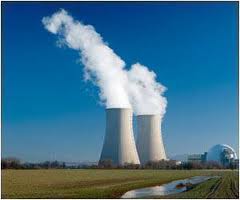
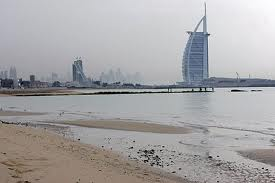
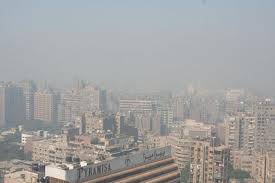
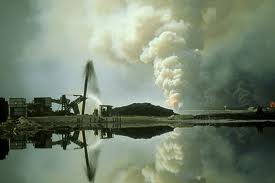
The air pollution in the Middle East is getting increasingly bad, and could eventually be hazardous to your health. There has been an increased demand for air pollution control equipment in the Middle East. The fact that the Middle East has scarce water and arable land also contributes to the pollution problems. The Middle East is experiencing declining water sources, loss of arable land, and pollution-related health problems. Pollution-related health problems, especially in urban and industrial centers are becoming a big challenge.
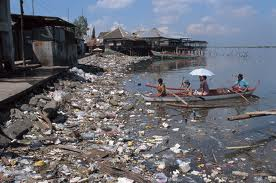
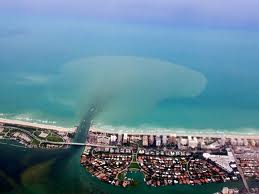
Another problem in the pollution issue in the Middle East is the marine resources, like fisheries. Fisheries are a big generator of income in this region. But, because of the pollution problem, fisheries are not able to make as much money as they have before. The coastal zones are also deteriorating. Migration and urbanization in the coastal zones adds to untreated pollution and the damage of natural habitats. Water run-off in the region is expected to drop by 20%-30% by 2050, and the IPCC estimates an increase in temperature of up to 2 degrees in the next 20 years.
Indoor Air Pollution:
a. Water damage can promote the growth of molds that are harmful to your health.
b. Steam from a dryer can create excess humidity, which can cause mold.
c. Carbon monoxide is a toxic gas that gets emitted from cars.
d. Some cleaning supplies can give off harmful gases
e. If humidity levels are too high, plants can promote mold growth, but are generally not a problem.